Published : 2025-11-02
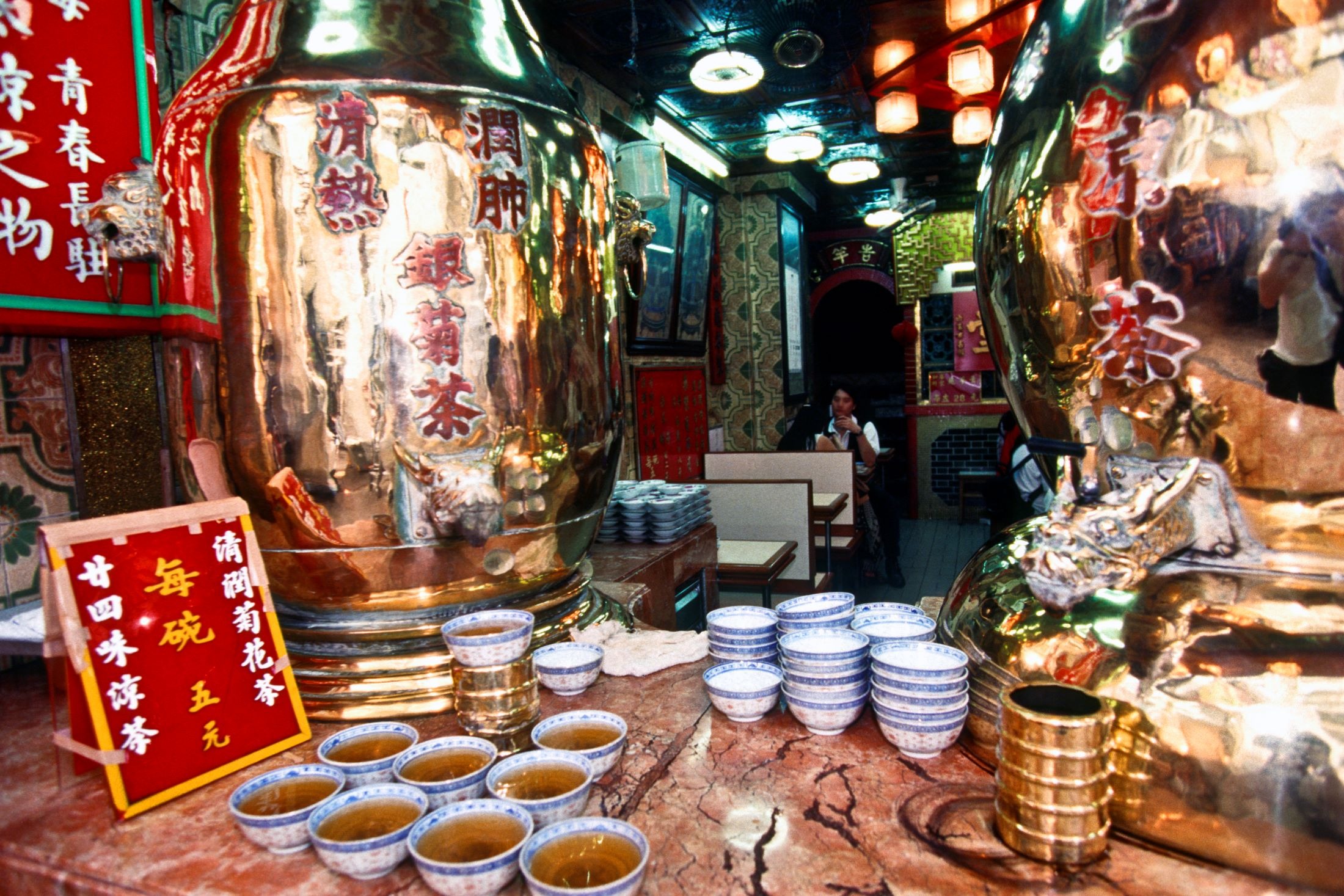
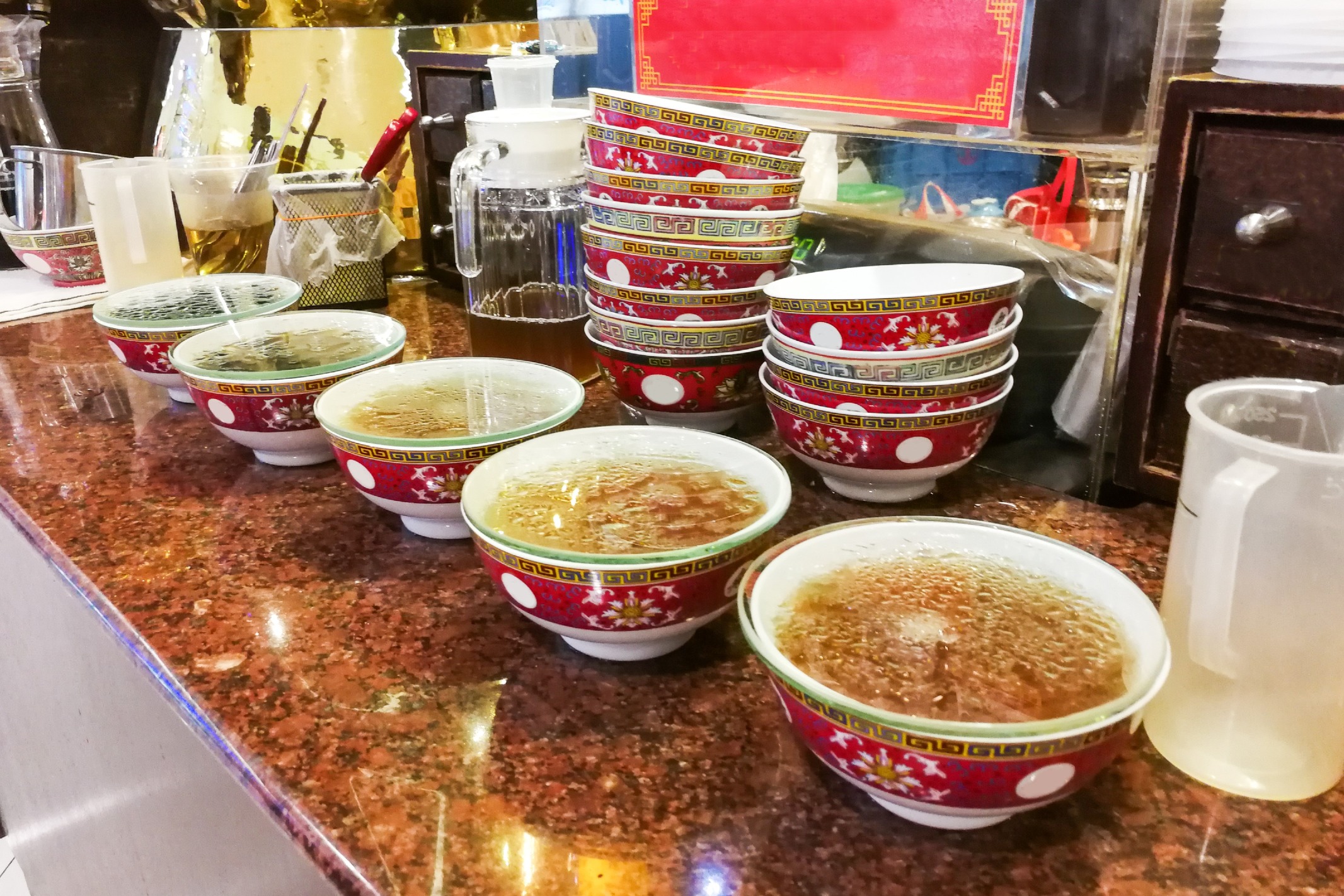
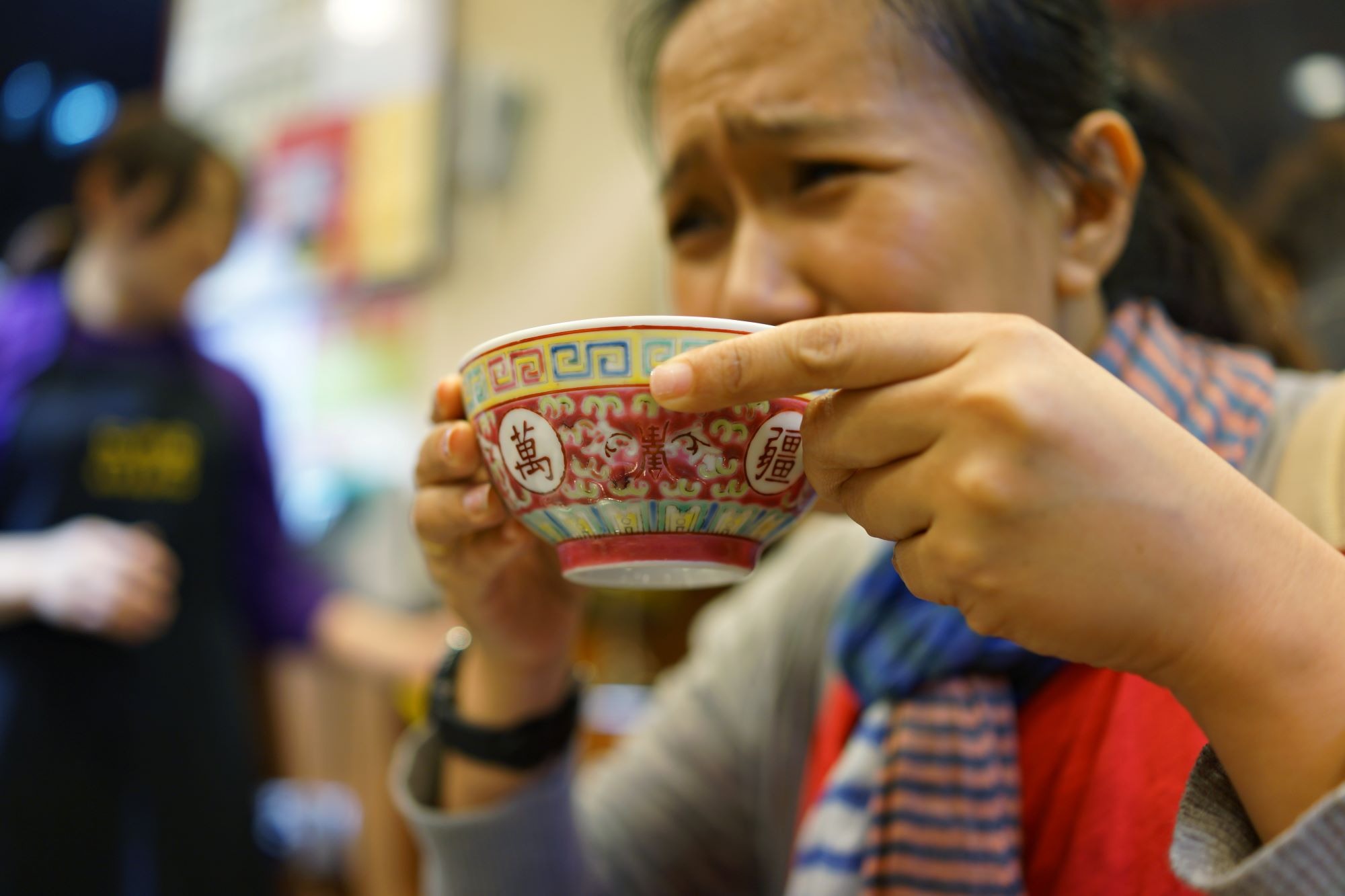
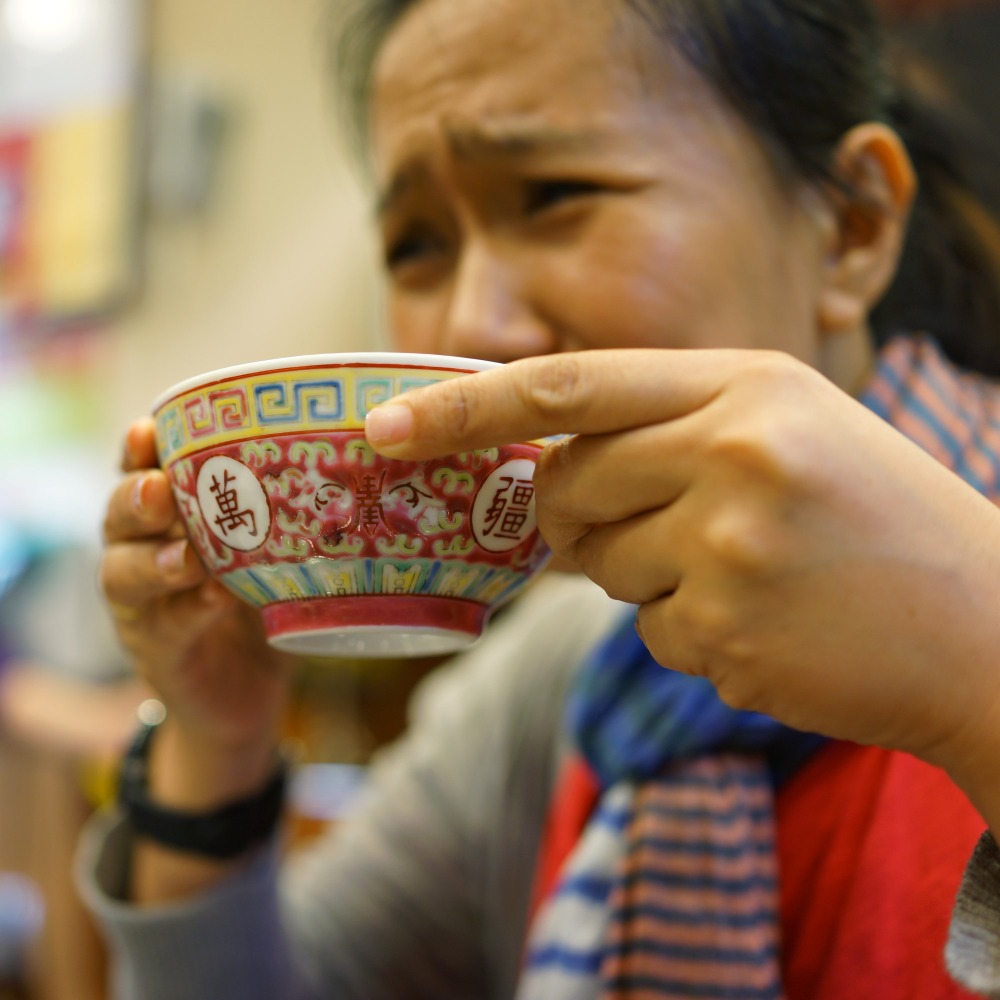
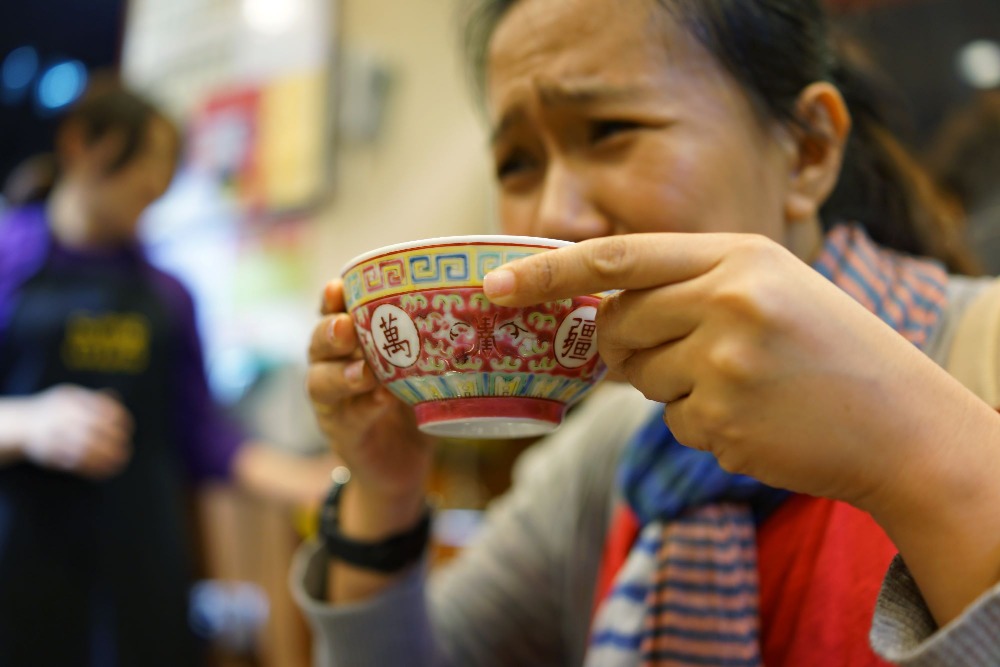
Sore throat or acne? Many people turn to a cup of Chines herbal tea to ease their symptoms. "Chinese Herbal tea" is one of the 12 national intangible cultural heritage items in Hong Kong.
Since ancient times, the intelligent people of Lingnan have known how to pick the corresponding herbs to brew herbal tea to treat physical conditions caused by the hot and humid weather.
Herbal tea has a history of over 100 years in Hong Kong. This article distils its story into eight key numbers, offering a clear and concise overview of the development of herbal tea in Hong Kong.
1 Nickname
Herbal tea was formerly known as "Bachelors' Tea" (寡佬茶).
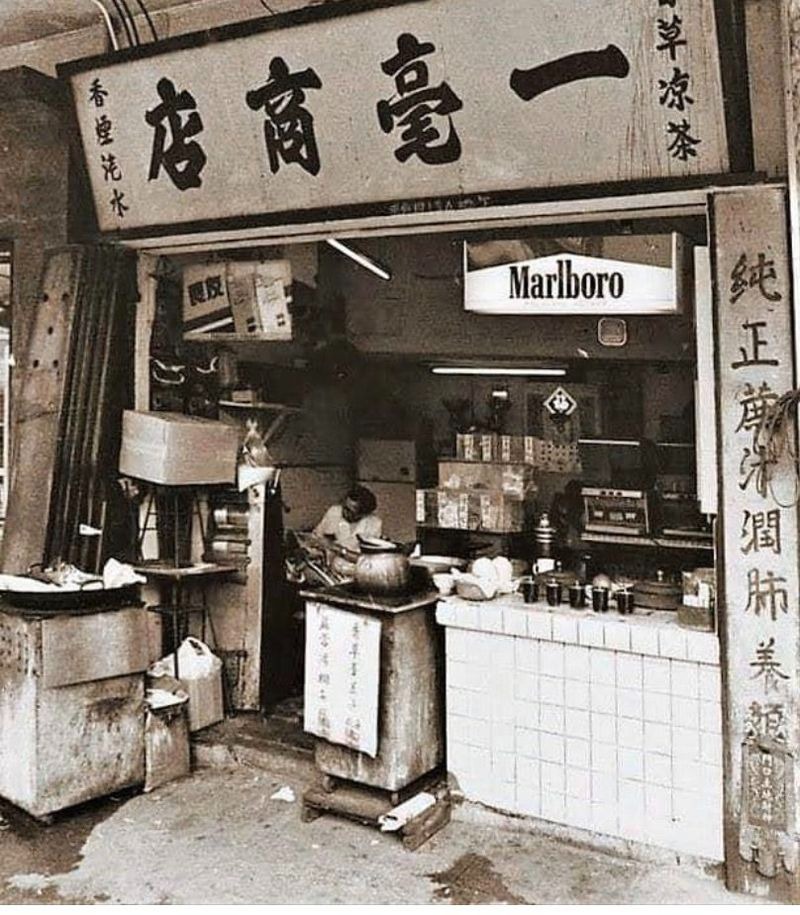
It is said that during the 1950s, the patrons of herbal tea shops were mostly single men, many of whom worked as dock labourers. Living alone and finding it difficult to seek medical care or prepare decoctions themselves, they would visit a herbal tea shop for a bowl of herbal tea whenever they felt unwell, experiencing symptoms such as dizziness or fever, to alleviate their discomfort.
Folklore also suggested that turtle jelly could treat sexually transmitted diseases.
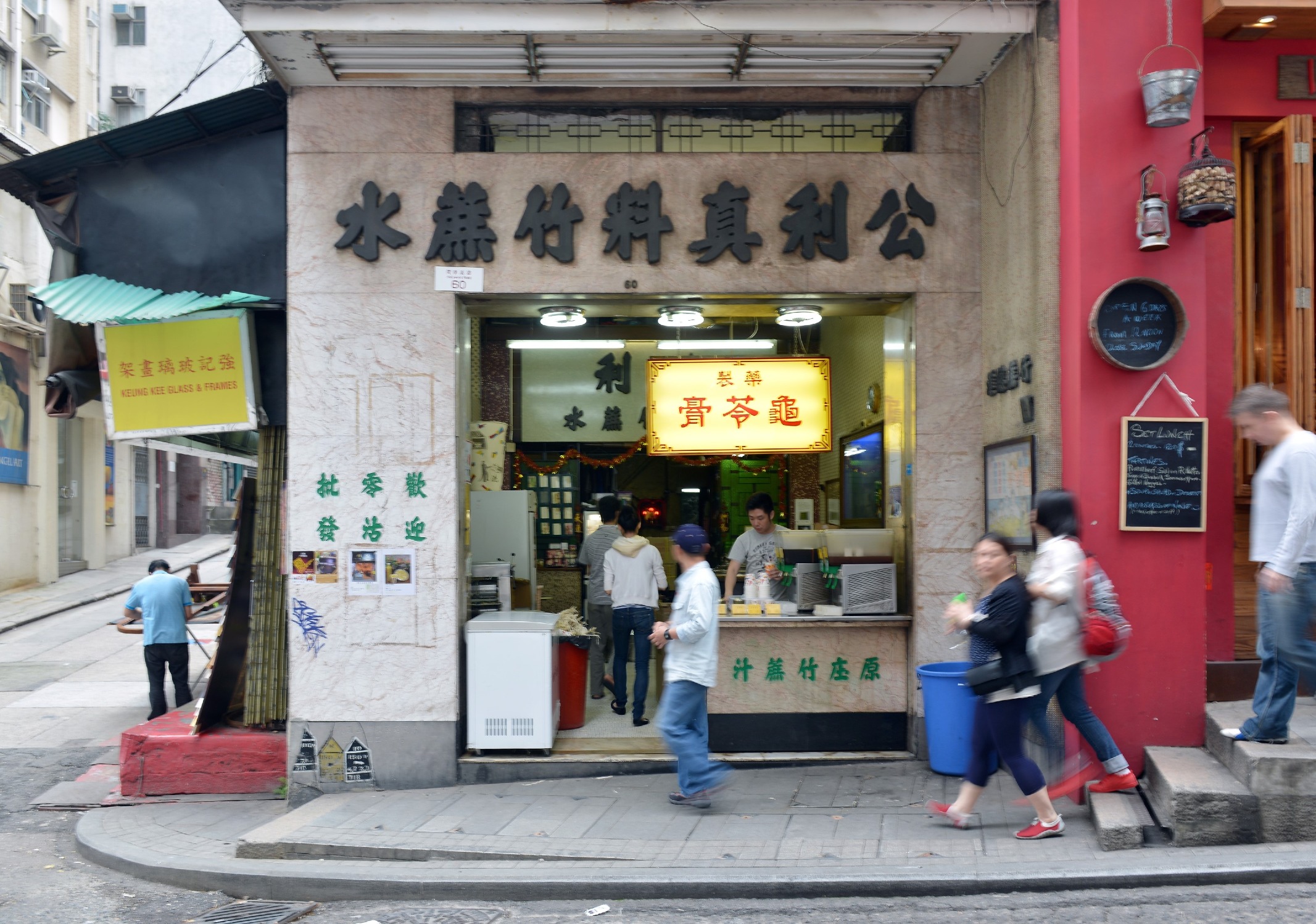
Moreover, an early exhibition at the Hong Kong Museum of History noted that herbal tea shops were often located in areas such as Sheung Wan, Wan Chai, and Mong Kok—known at the time for red-light activities—which further enriched the explanation behind the nickname "Bachelors' Tea".
The "凉" character with two drops of water
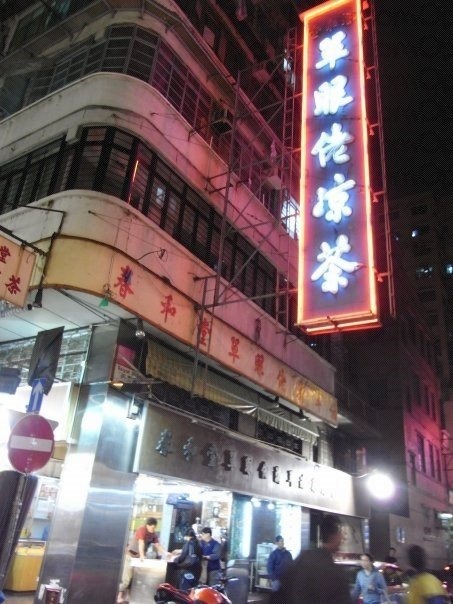
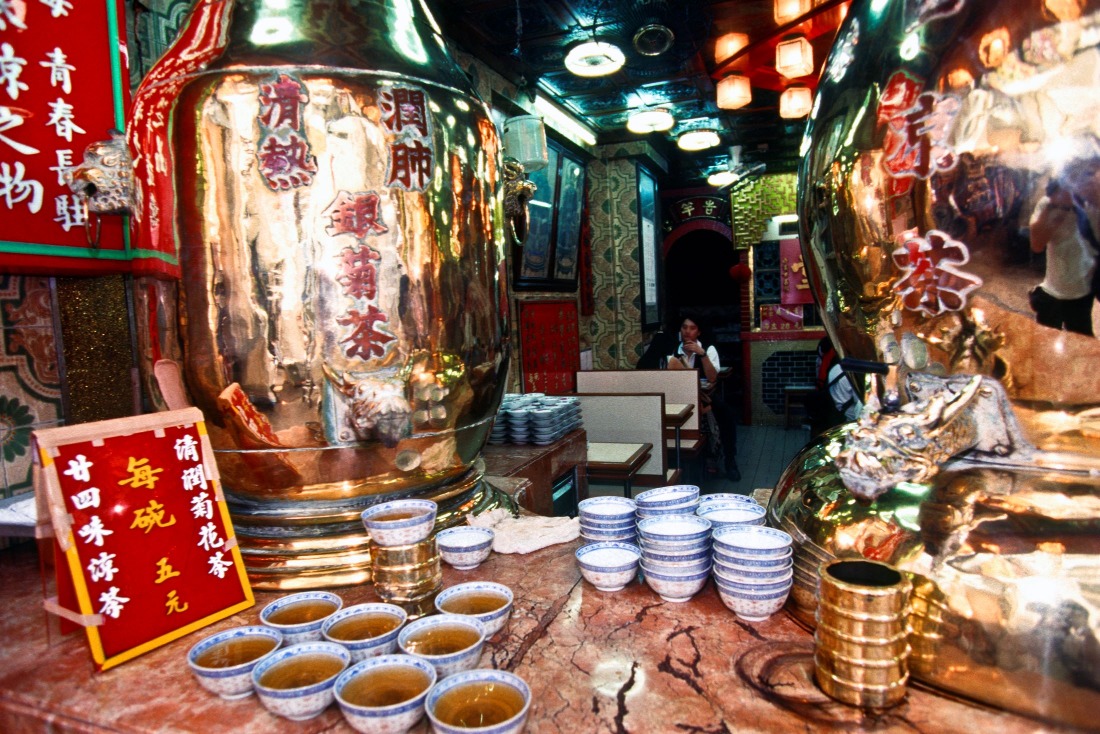
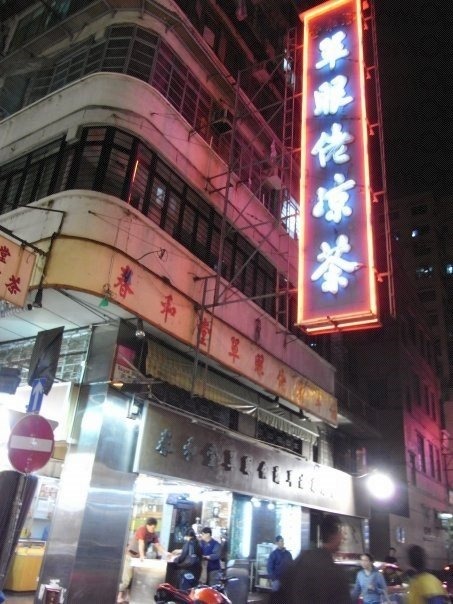
If you look closely, you may notice that some Hong Kong herbal tea shop signs use the Chinese character "凉" with two drops of water (冫) on the left, rather than the more common "涼" with three drops (氵).
This is related to a convention within Hong Kong's herbal tea trade. Practitioners consider the three-dot "涼" to be an adjective, while the two-dot "凉" is regarded as the proper noun specifically referring to the tea-like decoction brewed from cooling herbs.
3 major health issues
The popularity of herbal tea in the Lingnan region stems from its hot and humid climate, which tends to cause the body to accumulate dampness and heat.
This leads to three broad types of health issues: "damp-heat" (濕熱, such as gastroenteritis, acne, and skin conditions), "excessive internal heat" (上火, such as gum pain and mouth ulcers), and "heavy dampness" (濕重, such as joint pain and lethargy).
To prevent heat-related ailments and regulate the body, people in Lingnan have adopted the practice of using locally sourced herbs.
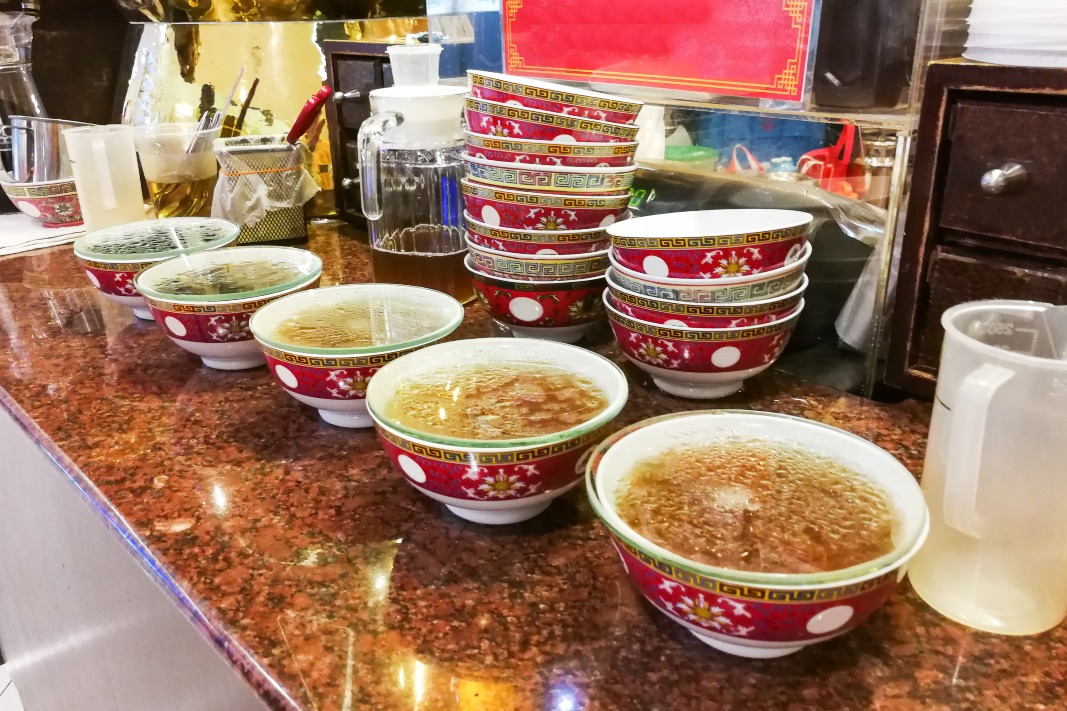
They gather cooling, heat-clearing, fluid-promoting, dampness-dispelling, and detoxifying Chinese medicinal plants, brewing them into various types of herbal tea. This has evolved into a lifestyle wisdom for disease prevention and health maintenance.
4 characteristics
According to the publication Hong Kong Intangible Cultural Heritage Series: Herbal Tea, traditional Chinese medicine is defined by four fundamental properties: the "Four Qi"(四氣) and "Five Flavours" (五味), "Rising, Falling, Floating, and Sinking" (升浮降沉), "Meridian Affinity" (歸經), and "Toxicity" (毒性).
The "Four Qi" refer to the four medicinal natures: Cold, Cool, Warm, and Hot; while the "Five Flavours" describe the five tastes: Salty, Pungent, Bitter, Sweet, and Sour.
"Rising, Falling, Floating, and Sinking" denotes the directional tendency of a herb's action—whether it ascends, descends, disperses outwardly, or sinks inwardly—to expel pathogens from the body.
"Meridian attribution" refers to how different Chinese medicinal herbs target different specific organs. Understanding the meridian attribution of various herbs is essential for prescribing the right remedy.
As for "toxicity", it generally refers to the potential harm a substance may cause to the body. While medicinal herbs can alleviate certain symptoms, they may also lead to varying degrees of harm.
This is why Traditional Chinese Medicine (TCM) places great emphasis on the combination of herbs. Some combinations can enhance therapeutic effects, suppress side effects, and maximise medicinal efficacy.
5 flavours and their corresponding therapeutic effects
The Five Flavours of Chinese medicine, namely salty, pungent, bitter, sweet, and sour, are in fact directly related to their therapeutic effects, for example:
Salty herbs help dissolve lumps, promote bowel movements, and soften hardness.
Pungent herbs promote circulation of qi, activate blood flow, and disperse external pathogens (relieving exterior symptoms).
Bitter herbs are effective for clearing heat, reducing fire, promoting bowel movements, and eliminating dampness.
Sweet herbs have the effects of nourishing, relieving pain, tonifying deficiency, and harmonising the properties of other herbs.
Sour herbs help stop sweating, coughing, diarrhoea, and consolidate essence.
Great social hangout spot in the 1960s
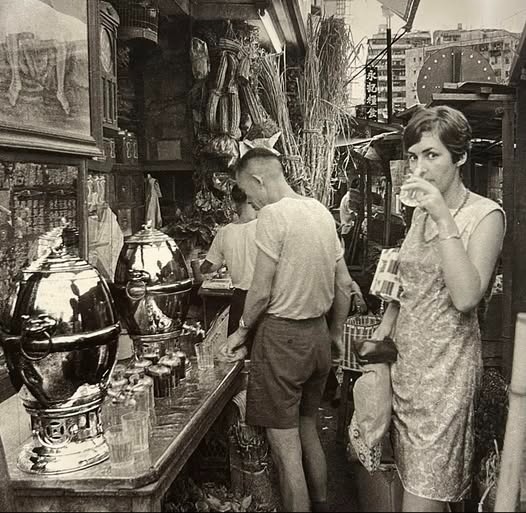
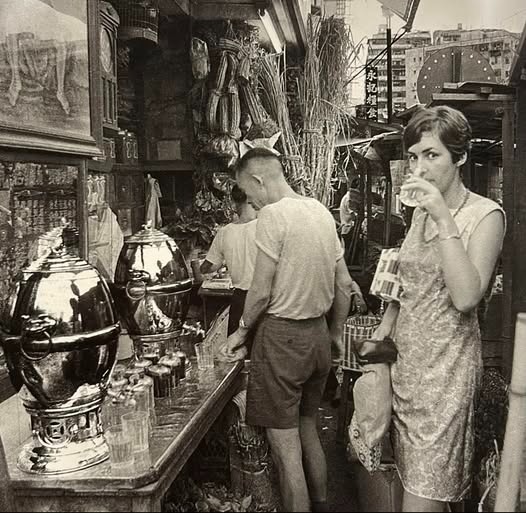
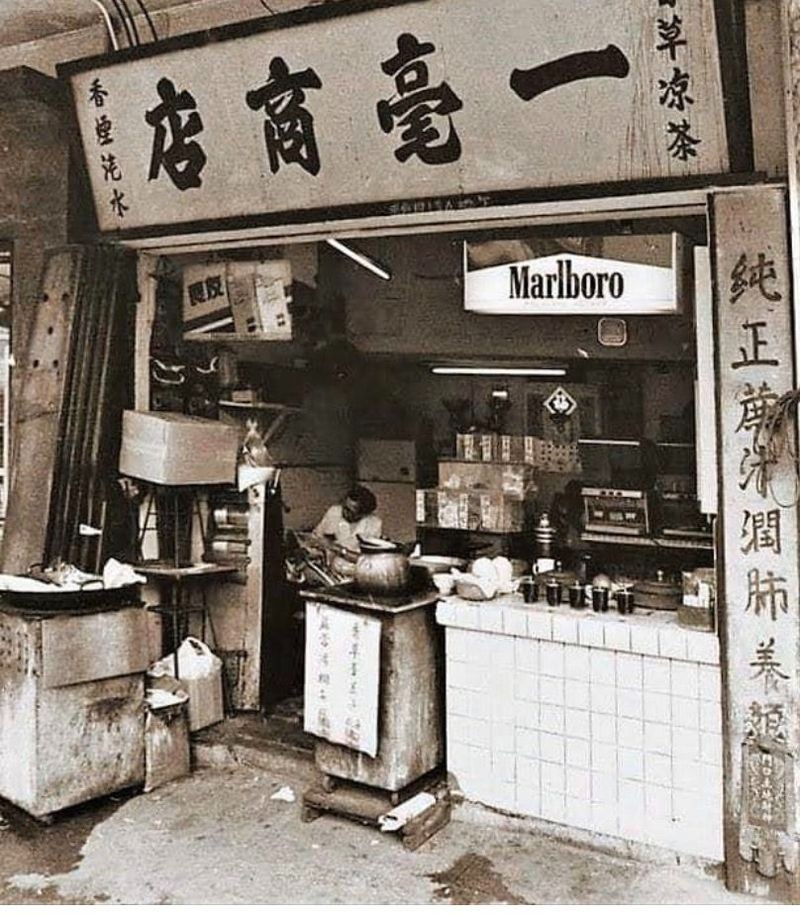
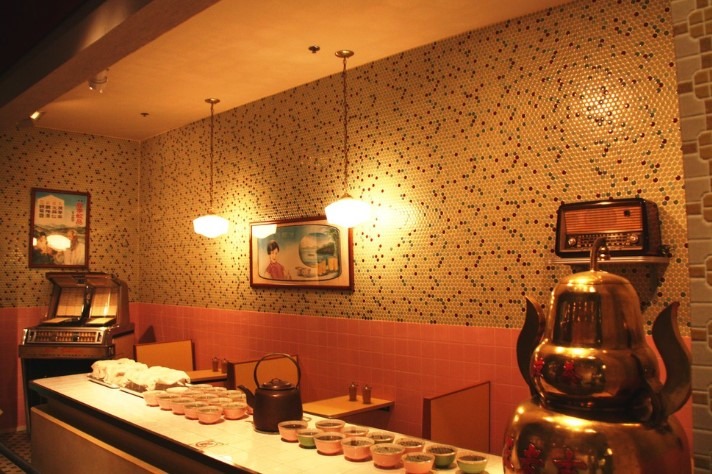
In the 1960s, patronising herbal tea shops was a social trend and a lifestyle pleasure in Hong Kong. A herbal tea shop is a great place for neighbours to gather and for couples to date.
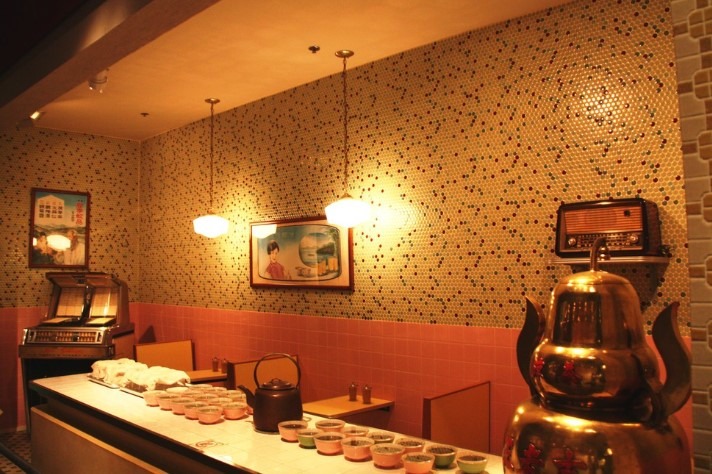
At that time, herbal tea shops were generally equipped with a radio, a record player, or a television set, where for 10 or 20 cents for a cup of herbal tea, people could sit comfortably in the shop and listen to radio broadcasts, enjoy radio dramas or news programmes, and receive popular information.
They could also insert coins into a jukebox to play Western pop music, making these shops an important centre for the dissemination of popular culture.
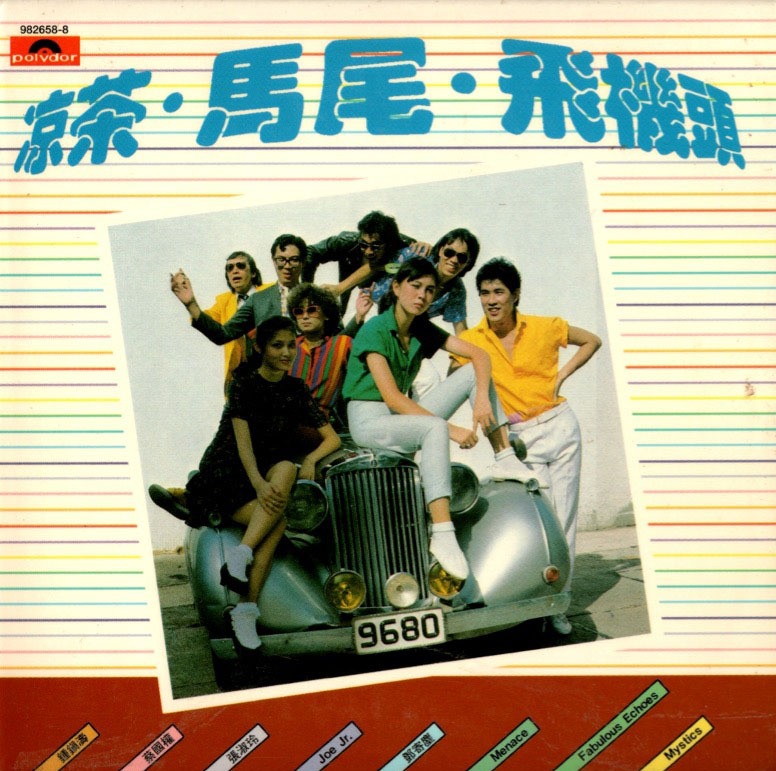
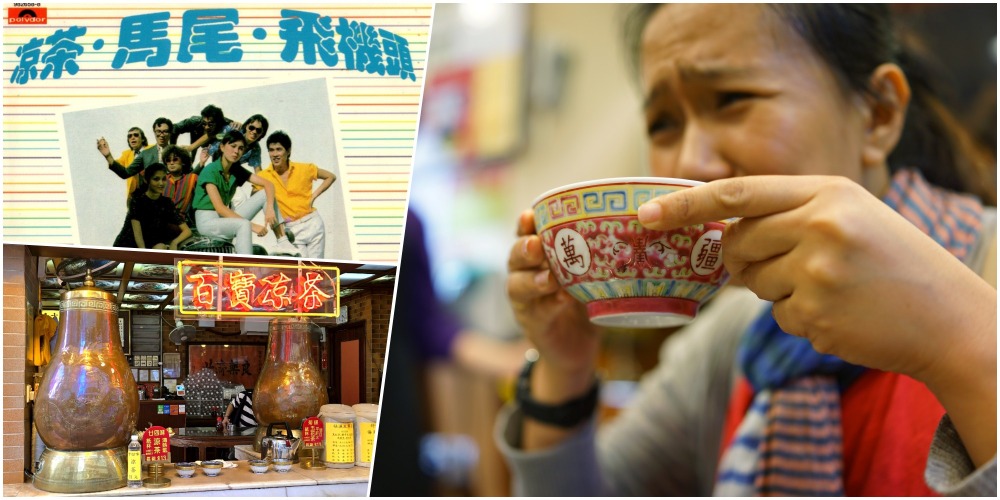
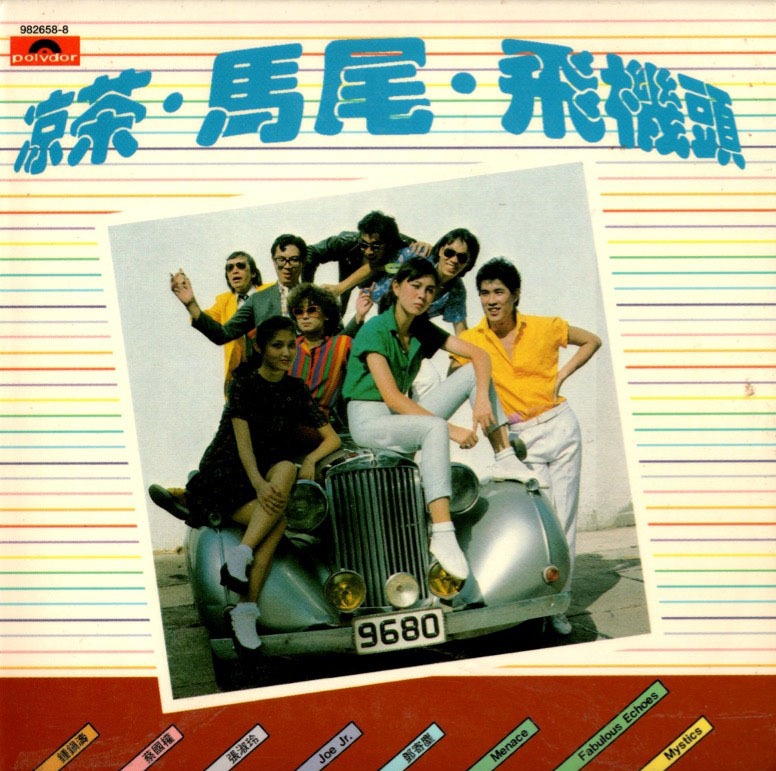
The popular slang of the time, "herbal tea, ponytail, and pompadour", placed herbal tea at the forefront, depicting fashionable young people frequently hanging out at herbal tea shops, with the girls wearing ponytails and the boys sporting Elvis Presley-style pompadours.
This highlights the trendy status of herbal tea shops during that era.
Decline in the 1970s
In the 1970s, Western medicine gradually became widespread. As Western medicine was faster-acting than traditional Chinese medicine, it became increasingly popular in a society that was progressively more focused on efficiency, impacting industries like herbal tea and other Chinese medicines.
Furthermore, urban renewal led to rising rents, and changes in consumer habits made it difficult for herbal tea shops, which relied on low profits margins and high turnover, to survive. These all lead to a decline in the number of traditional herbal tea shops.
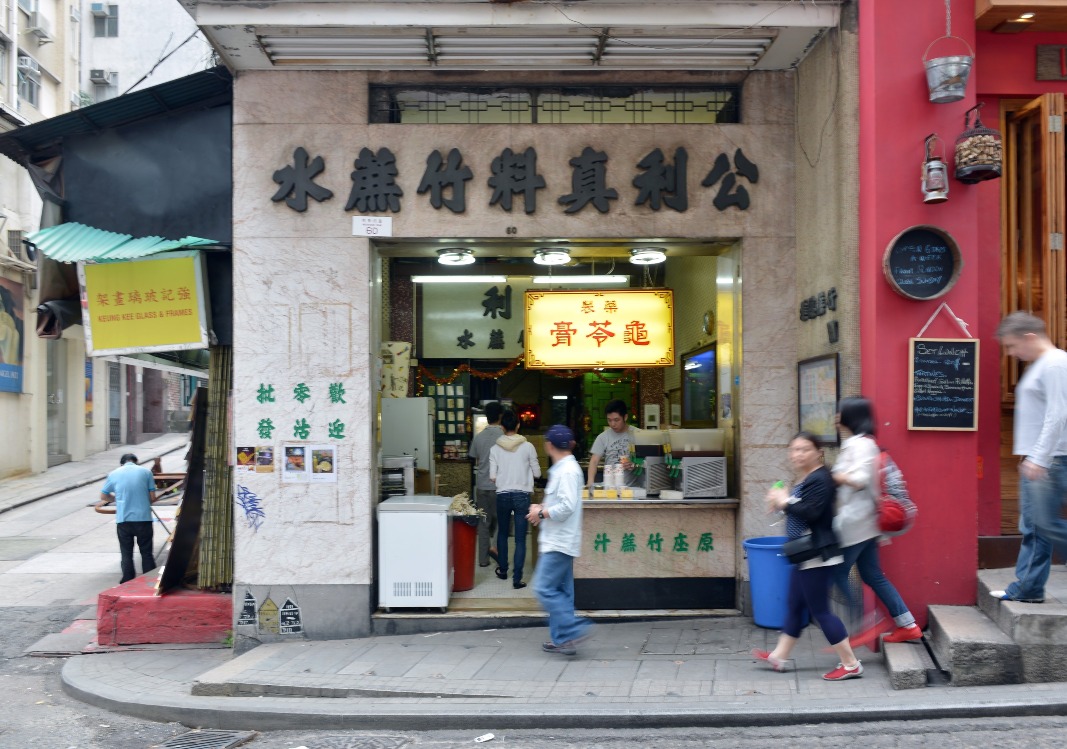
Some herbal tea shops sought to transform themselves by increasing their product range, for example, by selling higher-profit items like turtle jelly (龜苓膏); some shops also sold sweet soups and snacks, such as siu mai, fish balls, and tea eggs, to cater to the demands of the booming cinema audiences of the 1970s.
Transformation in 1980s
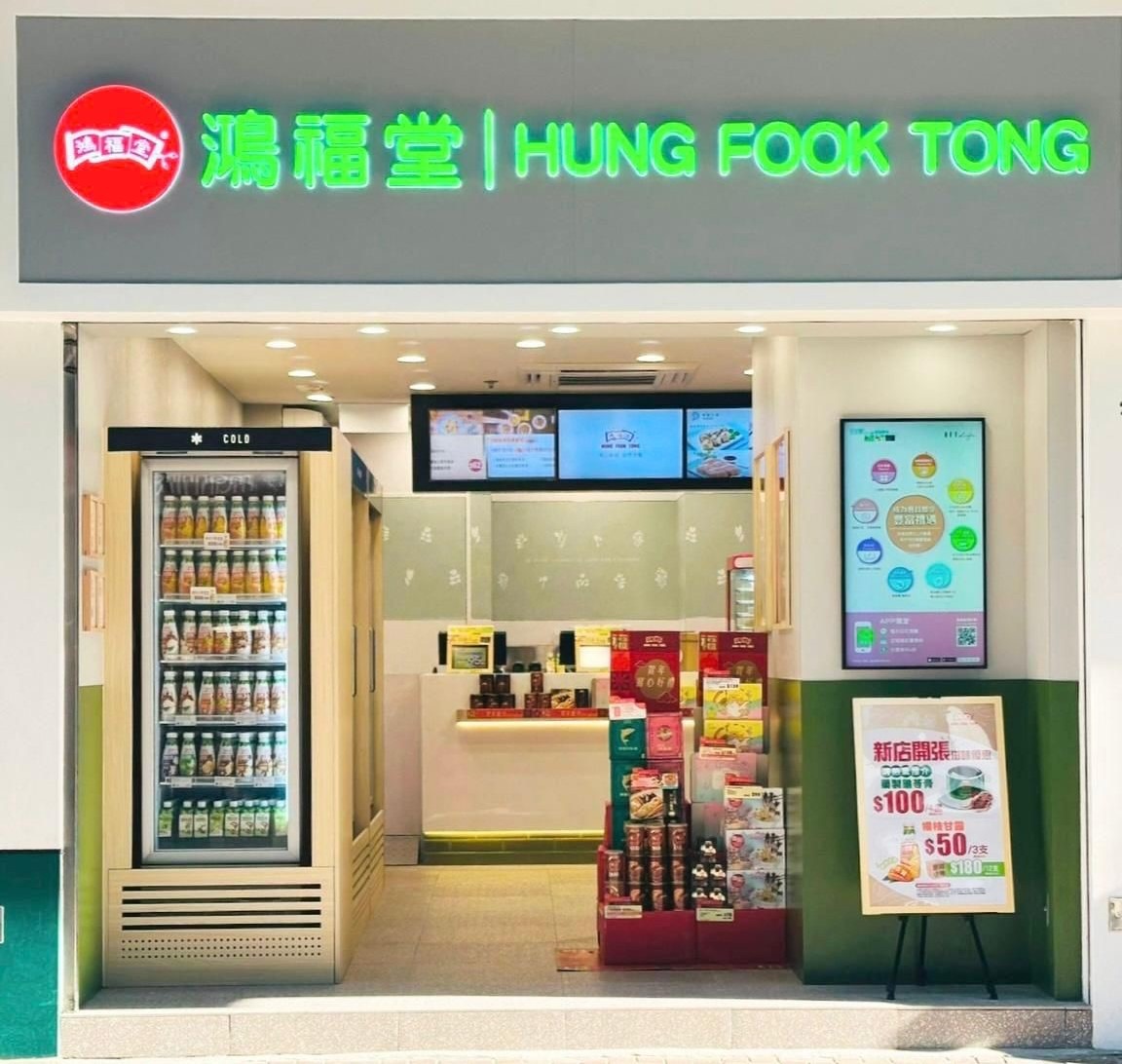
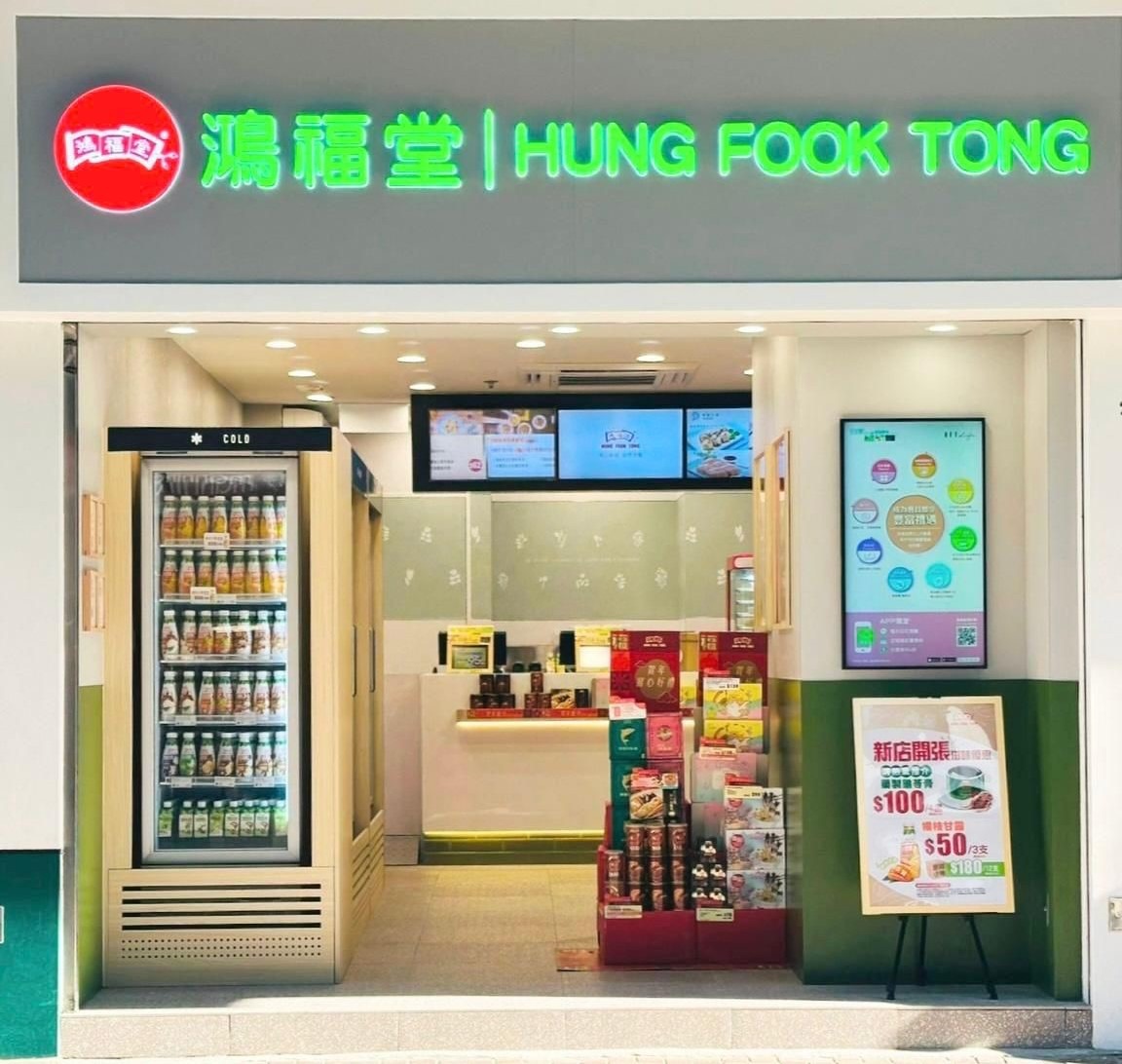
Nowadays, drinking herbal tea is not limited to herbal tea shops. You can find herbal tea in plastic bottles of different flavours everywhere on the shelves of convenience stores and supermarkets.
Established in 1986, "Hung Fook Tong" was the first brand in Hong Kong to mass-produce herbal tea in portable packaging, and is symbolic of the transformation of the Hong Kong herbal tea industry.
Hung Fook Tong introduced a central kitchen factory system in 1988, implemented automated production in 1994, launched herbal tea in glass bottles in 1999.
It then launched herbal tea in plastic bottles in 2000, distributing them to convenience stores and supermarkets. This innovation transformed both the production and sales models of herbal tea, allowing this treasured aspect of traditional Chinese culture to become even more integrated into everyday household life.
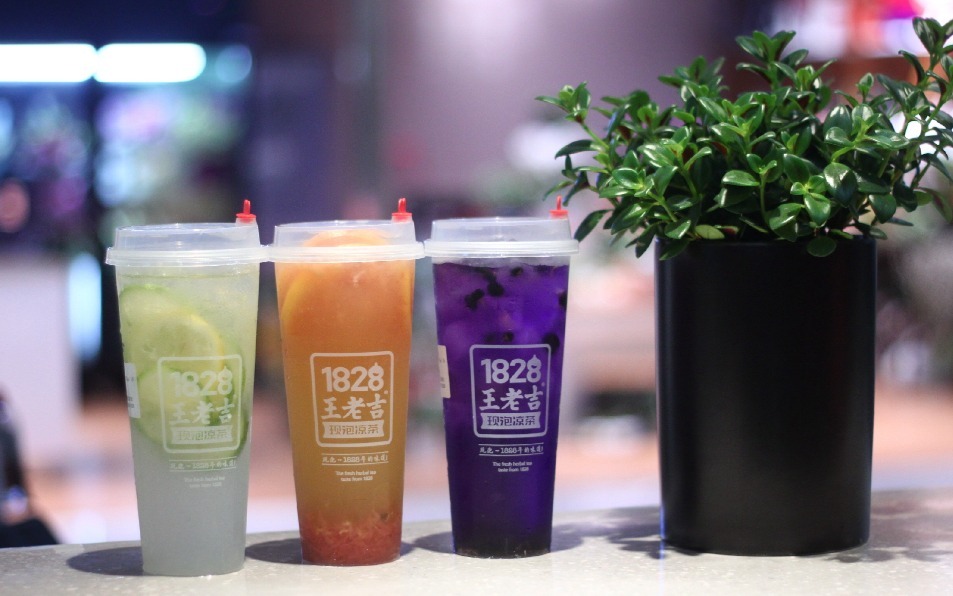
Some brands have even fundamentally changed the form of herbal tea. They produced herbal tea-flavoured soft sweets, and even ice cream.
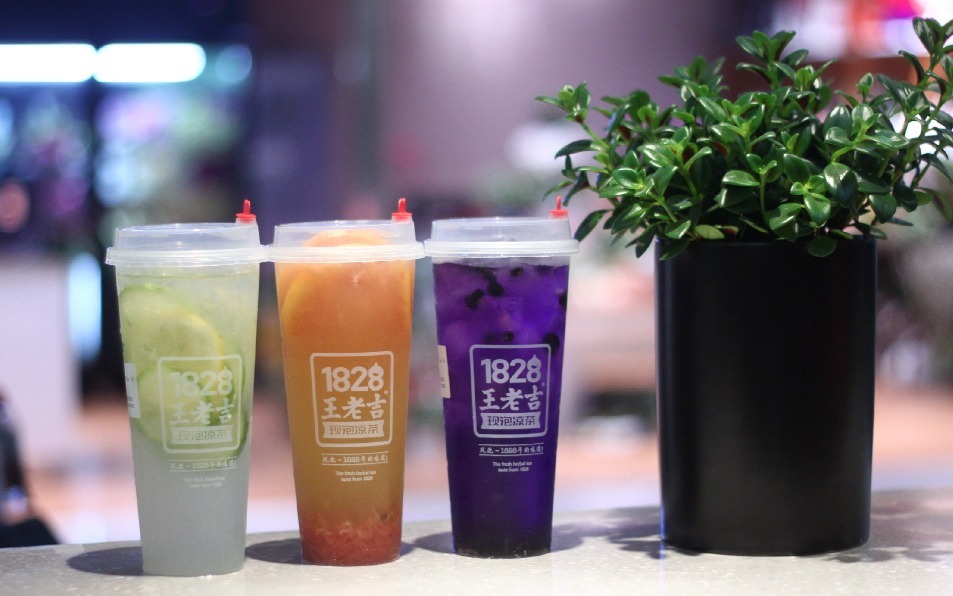
In the Chinese Mainland, some herbal tea brands have even integrated herbal tea elements into coffee and hand-shaken drinks favoured by young people, subverting people's imagination and perception of traditional herbal tea.